





Your Drink-by-Drink Guide to Surviving (and Thriving at) Outdoor Summer Sports Events
What You'll Learn
• Why plain water isn't always enough during extended outdoor activity, and what to reach for instead when your body starts losing electrolytes fast.
• The hydration calculus that separates athletes from spectators, because sitting in the bleachers for four hours in July comes with its own real risks.
• Which beverage choices will keep you sharp and energized through extra innings, and which ones quietly make the heat worse.
• How to build a practical game-day drink plan, whether you're running a 10K or cheering one on from a folding chair.
“Hot Enough for You?”
Picture this: it's the second half of an outdoor soccer tournament, the temperature has been hovering above 88 degrees since noon, and somebody in the bleachers quietly stops making sense. Their team just scored, but they're barely tracking it. That's not drama, that's early dehydration doing what it does: sneaking up on people who thought a bottle of water at breakfast was enough preparation.
Summer outdoor sports events are hard on the body, whether you're playing or watching. Athletes have the obvious physiological load. But spectators aren't off the hook, as four hours on a grassy sideline in July is four hours of direct sun exposure, and your body is working to cool itself the entire time, even if you're sitting perfectly still. The difference between a great day and a miserable one often comes down to what you put in your cooler before you leave.
The Science Behind Sweating (Without Getting Boring About It)
When you sweat, you're not just losing water. You're losing sodium, potassium, and electrolytes that regulate muscle function, brain signaling, and cardiovascular performance. Replace only the water, and you dilute what electrolytes remain, a condition called hyponatremia that's less common than dehydration but not rare among endurance athletes who drink aggressively without replacing sodium.
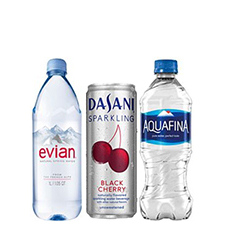
For most people, the practical takeaway is this: spring water is your baseline, and you should drink more of it than you think you need. But if you've been playing for more than 45 minutes or sitting in direct sun for a couple of hours and sweating through your shirt, introduce something with electrolytes. Sports drinks exist precisely for this situation. Also worth knowing: thirst is a lagging indicator. By the time you feel it in hot weather, you're already running a deficit. Drink on a schedule, not on demand.
For Athletes: Drink Before the Whistle Blows
The cheapest performance advantage available to any amateur athlete costs less than five dollars and requires no skill: pre-hydrating properly the night before and the morning of the event. Drinking aggressively in the parking lot an hour before a race is far less effective than staying consistently ahead of it for the previous twelve hours.
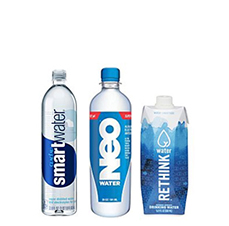
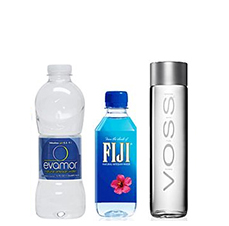
Morning of, lead with spring water or flavored water, something you'll actually drink in volume rather than sip reluctantly. During competition, alternating between water and a sports drink every 15 to 20 minutes is a reasonable approach for sustained heat exertion. Lean heavier on the electrolyte drink in the second half; sodium depletion is cumulative, and that's when cramping shows up uninvited.
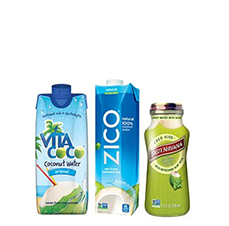
After the event, coconut water earns its reputation. It delivers potassium and some sodium without the sugar load of most commercial sports drinks, and it goes down easily when your appetite hasn't caught up with your exertion yet. Pair it with regular water over the first hour post-event, and you'll recover faster than the person next to you who grabbed a soda from the nearest vendor.
For Spectators: The Forgotten Half of the Hydration Story
Nobody writes hydration guides for the people in the stands. They should. Spectators routinely underestimate fluid loss because "I'm just sitting here" feels categorically different from "I'm running." It isn't when the index reads 95, and you're three hours into it.
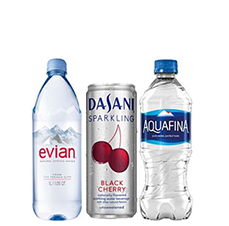
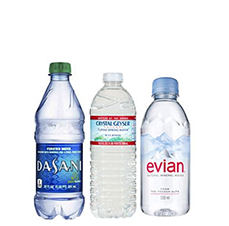
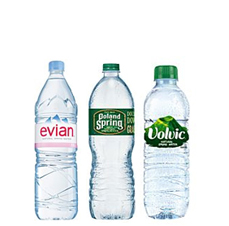
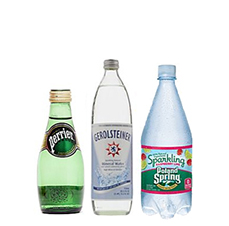
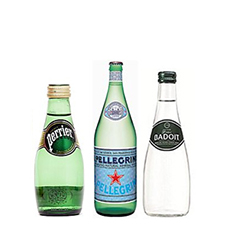
Spring water should anchor your cooler; roughly a liter per adult for every two hours in direct sun is a sensible floor. For a group tailgate or all-day tournament, variety packs let you cover multiple preferences without committing to a case of something only one person will drink. Iced green tea is also worth stocking: it hydrates, delivers a modest caffeine lift without the diuretic hit of espresso, and holds up well in an insulated bottle through a long afternoon. Cold herbal tea — hibiscus in particular — actually tastes better cold than hot and is a smarter mid-afternoon reach than a sugary soda. Heavy, sugary drinks slow gastric emptying, meaning the fluid stays in your stomach rather than reaching your bloodstream. A sparkling water with a splash of juice scratches the "I want something flavorful" itch without that trade-off.
Stocking the Family Cooler
For a youth tournament, charity 5K, or tailgate, stock for redundancy rather than novelty. Water as the base, a couple of electrolyte options, and one or two drinks people look forward to. Sparkling water and flavored seltzers punch above their weight here - festive enough to feel like a treat, hydrating, and unlikely to be wasted. For kids, juice drinks in smaller containers are easier to manage and far less likely to end up on the ground. If you're ordering for a large group, party packs simplify the math: coordinated quantities in one order, less guessing, and more cooler space for the ice that's quietly doing half the work anyway.
Beverage Universe is Your Summer Drink Destination
A summer sports event should be the kind of day you're still talking about on the way home. The gap between that and a day spent recovering from the heat is almost entirely determined by what you drank and when. Stock the cooler with intention, stay ahead of thirst rather than chasing it, and let the sport be the hard part.
Beverage Universe has everything you need to build a smart game-day setup, from spring water and sports drinks for athletes to variety packs and flavored seltzers for the crowd. Order before 2:00 PM EST and you're covered by the next business day.
FAQs
How much water should I drink at an outdoor sports event?
A commonly cited guideline is roughly 16 ounces every 30 minutes during vigorous exercise in the heat, though the right amount varies by body weight, sweat rate, and actual conditions. For spectators, a reasonable floor is about 1 liter every 2 to 3 hours in direct sun. Aim for clear to pale yellow urine throughout the day, while dark yellow means you're behind.
Do sports drinks really work, or is it mostly marketing?
For short, low-intensity activity in mild weather, plain water is fine. For sustained exertion over 45 to 60 minutes in summer heat, the electrolytes in a quality sports drink make a real difference in how muscles function and how quickly fatigue sets in. The marketing oversells it for casual use; the science supports it for the situations these drinks were designed for.
What should kids drink at outdoor summer events?
Water first. A lightly flavored option they'll drink in volume beats a "perfect" choice they'll ignore. Sports drinks are appropriate for kids actively competing in the heat; they're unnecessary and high in sugar for kids watching from the sidelines. Energy drinks have no place in any child's cooler, regardless of circumstances.
What warning signs of heat exhaustion should I recognize?
Early signs include heavy sweating, cool and clammy skin, weakness, a fast but weak pulse, nausea, and headache. If you or someone nearby shows these symptoms, move to shade, get fluids in, and lie down if possible. Heat stroke, marked by hot, dry skin, a rapid, strong pulse, and confusion, is a medical emergency that requires immediate outside help, not sideline management. Consistent hydration throughout the day makes either scenario unlikely.
June 9, 2026
|
View: 90
|
Categories: Bottled Water, Coconut Water, Hard To Find Beverages, Sports Drinks, Summer, Health Benefits, Energy Drinks