




Not long ago, the question you asked about a drink was pretty simple: Does it taste good? Today, consumers are asking a different set of questions entirely. Does it support my gut? Will it help me focus? Can it take the edge off without wrecking my sleep? The beverage industry has answered with a resounding, “Yes,” and an ingredient list that reads like a botanist's field notes.
Welcome to the functional beverage boom. It's one of the fastest-moving shifts in consumer packaged goods, and if you haven't noticed it yet, you haven't been paying attention.
What Makes a Beverage "Functional"?
A functional beverage is any non-alcoholic drink that delivers a specific health benefit beyond basic hydration, typically thanks to bioactive ingredients derived from plants, marine sources, microorganisms, or other natural compounds. That's a broad definition, which is exactly the point. Sports drinks, energy drinks, coconut water, probiotic-rich teas, and vitamin-fortified juices all qualify. So does a sparkling water spiked with ashwagandha and L-theanine, which you're now more likely to find in places other than a specialty health shop.
The category got its commercial footing in the late 1980s with caffeine-and-vitamin energy drinks. Since then, it has grown into a market valued at over $130 billion globally in 2024, with projections pointing toward $174 billion by 2030. In the U.S. alone, functional beverage sales jumped 54% between 2020 and 2024, outpacing the overall non-alcoholic beverage market. That's not a trend; it's a structural shift in how Americans think about what they drink.
The Ingredients Driving the Conversation
If you want to understand the functional beverage boom, follow the ingredients. A few years ago, "fortified" meant added vitamin C and maybe some zinc. Today, the active ingredient panel on a wellness drink might include adaptogens, nootropics, probiotics, prebiotics, and botanical extracts that would have seemed exotic to most consumers a decade ago.
Adaptogens are the stars of the moment. Ashwagandha, an herb used in Ayurvedic medicine for centuries, is now showing up in everything from sparkling water to canned lattes, marketed for its potential to help the body manage stress and reduce cortisol-related fatigue. Rhodiola and ginseng are close behind. The appeal is straightforward: the same benefits associated with a $40 supplement bottle, but delivered in a format you'd actually enjoy drinking.
Nootropics, ingredients that benefit cognitive performance, are moving from biohacker forums into mainstream product launches. L-theanine (found naturally in green tea) pairs with caffeine to produce focused, jitter-free energy. Lion's mane mushroom is appearing in functional coffees and energy drinks for its reported support of memory and concentration. Guayusa, a caffeinated leaf from the Amazon (the river, not the online retailer), offers a cleaner energy curve than traditional stimulants and is turning up in non-alcoholic options designed for the sober-curious crowd.
Gut health may be the most commercially significant trend of the group. Probiotic beverages, led by kombucha but expanding rapidly into kefir-style drinks, probiotic sodas, and prebiotic sparkling waters, have seen surging demand as awareness of the gut-brain axis enters mainstream consciousness. PepsiCo's $1.95 billion acquisition of prebiotic soda brand Poppi in early 2025 and Coca-Cola's launch of Simply Pop (a prebiotic juice drink with 6 grams of fiber per can) make the stakes very clear: the biggest players in beverages believe gut-friendly drinks are the next battleground.
The "Sober Curious" Effect
Here's a factor that doesn't get enough credit: functional beverages are benefiting enormously from a generation of consumers drinking less alcohol. According to World Health Organization data, global alcohol consumption fell 12% between 2010 and 2022, and the decline continues. Younger adults in particular are opting out, and they want something interesting and purposeful to drink in its place.
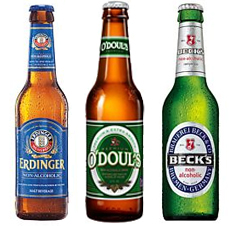
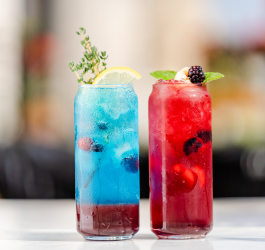
That's created enormous demand for sophisticated non-alcoholic beers, non-alcoholic wines, and purpose-built functional mocktails; drinks that feel adult and occasion-appropriate but also do something useful for your body. Demand for alcohol-free functional alternatives has grown 55% as this demographic has matured. It's not just about avoiding a hangover; it's about treating the social act of drinking as another moment to invest in your wellness.
Why This Category Is Hard to Fake
One thing worth understanding about functional beverages: the consumer base is sophisticated and increasingly skeptical. Brands cannot simply slap "immunity-boosting" or "stress-relieving" on a label and expect it to sell. Today's buyers read ingredient panels. They research clinical studies. They notice when an ashwagandha dose is 50mg, but the research suggests 300mg is the therapeutic threshold.
This is good news for quality brands and for consumers, because it's pushing the industry toward more transparent formulations, cleaner labels, and genuine dosing that delivers the claimed benefit. The FDA's recently updated definition of "healthy" adds regulatory teeth to that pressure, requiring stricter criteria on added sugars and nutrient profiles for any product making a health claim.
The brands winning in this space are combining science-backed ingredients, great taste, and honest marketing. Taste remains non-negotiable. A functional drink that works but is unpleasant to consume doesn't have much of a future on the shelf.
What to Explore Right Now
If you're curious about adding functional beverages to your daily routine, the category is broad enough that there's something for almost every need.
For energy and focus, the energy drink aisle has expanded far beyond sugary stimulants. Look for options with natural caffeine sources, adaptogens, and clean-label formulations. For athletic recovery and electrolyte replacement, sports drinks have evolved well past the neon-colored originals into low-sugar, mineral-rich formulas. For gut health, fermented teas and probiotic drinks are the most accessible entry points. And if you're cutting back on alcohol, the non-alcoholic beer and non-alcoholic wine categories have never been more interesting or more varied.
At Beverage Universe, we've watched this shift unfold in real time and stocked our shelves accordingly. Whether you're looking for a daily ritual that supports your focus, a post-workout recovery drink, or something to sip at a party that isn't just sparkling water with a lemon wedge, the functional beverage category has answers.
The era of drinks that just taste good is not over. But the era of drinks that also do something? It's just getting started.
Browse our full selection of sports drinks, energy drinks, teas, juices, and non-alcoholic options at beverageuniverse.com.