





The ingredient already in your fridge is doing half the work you could be asking it to do.
What You'll Learn
- Why flavored water outperforms plain water as a liquid base in smoothies
- How sparkling and still flavored waters behave differently in baked goods
- Which flavor profiles work best with chicken, pork, fish, and vegetables in marinades
- The simple rule for matching flavored water to a recipe without overthinking it
- Which Beverage Universe products are best suited for culinary use
Why Flavored Water Deserves a Spot in Your Kitchen
Most people keep flavored water in the refrigerator for one reason: it tastes better than plain water and has none of the sugar or calories of juice or soda. That's a perfectly good reason. But it undersells what these beverages can do.
Flavored water, whether still or sparkling, lightly infused or boldly flavored, carries aromatic compounds that plain water does not. When you use it as a liquid base in cooking or blending, those compounds interact with everything else in the recipe. A cucumber-mint water doesn't just add moisture to a green smoothie. It adds a clean, slightly floral note that makes the whole thing taste more intentional. A lemon-flavored sparkling water doesn't just add bubbles to a marinade. It adds acidity that begins breaking down protein fibers before the heat does.
The applications below are not complicated. None of them requires a culinary degree. What they do require is a willingness to stop treating a quality beverage like it only belongs in a glass.
Smoothies: The Easiest Place to Start
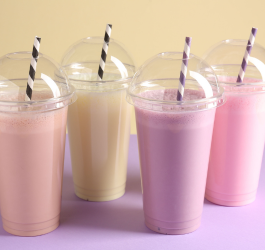
The liquid base in a smoothie is the most underrated variable in the recipe. Most people use plain water, milk, or juice, and all of them work. But flavored water is worth trying because it adds flavor without adding calories, sugar, or fat.
Here's how to think about it. A berry smoothie with frozen strawberries, banana, and plain water tastes fine. The same smoothie made with a raspberry- or blackberry-flavored still water tastes more complex, because the base amplifies the fruit notes already in the blend rather than diluting them.
Pairing guide by smoothie type:
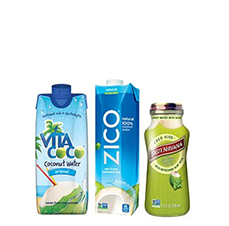
· A tropical smoothie built around mango, pineapple, and coconut benefits most from a citrus-flavored or coconut water base. Coconut water is particularly well suited here — it has natural electrolytes, a faintly sweet flavor, and zero artificial anything. Vita Coco and Taste Nirvana, both available at Beverage Universe, work well in this role.
· A green smoothie with spinach, cucumber, and apple is begging for a cucumber-mint or green tea-flavored water base. The vegetal, slightly bitter edge of raw greens gets softened by the coolness of mint or the tannins in green tea.
· A chocolate protein smoothie (cocoa powder, banana, protein powder) pairs well with a lightly flavored vanilla or hazelnut water if you can find it. Failing that, plain sparkling water creates an interesting texture change. The carbonation disperses under blending, leaving a slightly airier consistency.
The ratio rule: Use the same amount of flavored water as you would plain water in the recipe. You are not replacing a flavor, you are layering one. Start with 8 ounces per 2-cup smoothie and adjust from there.
Baking: Flavored Water Works, but the Type Matters
This is where things get a little more specific. Baking is chemistry, and the type of water you introduce changes the chemistry.
· Still flavored water behaves like plain water in most recipes. You can substitute it 1:1 for water in muffins, quick breads, and pancake batters. The flavor compounds survive moderate baking temperatures, so a lemon-flavored still water in a lemon poppy seed muffin genuinely makes the lemon flavor more pronounced — more so than adding a squeeze of fresh lemon alone. A vanilla-flavored still water in a basic white cake batter adds a subtle aromatic depth that isn't as sharp as vanilla extract but layers nicely behind it.
· Sparkling water is a different tool. It creates lift. When carbonated water hits baking powder or baking soda in a batter, the CO2 in the bubbles intensifies the leavening. The result is a lighter, more airy crumb. This is not a dramatic transformation, but it is real and repeatable. Lemon or citrus sparkling water in a lemon loaf cake makes the crumb lighter and the lemon flavor brighter.
Callout: The one thing to watch in baking: Sweetened flavored waters change the sugar balance in your recipe. If the flavored water you're using contains sugar or a sweetener, reduce the sugar in the recipe by 1 to 2 tablespoons per cup of liquid to compensate. Unsweetened flavored waters require no adjustment.
Sparkling flavored water works especially well in tempura-style batters, crepe batter, and any waffle or pancake recipe where you want a lighter result. Use it ice cold for maximum bubble retention, and mix the batter as little as possible after adding the liquid.
Marinades: Where Flavored Water Does Heavy Lifting
A good marinade does three things: it adds flavor, it introduces acidity to begin tenderizing, and it keeps the protein moist during cooking. Flavored water can contribute to all three — not as the sole marinade, but as the liquid base that ties the other ingredients together.
Most marinades are built around an oil, an acid (lemon juice, vinegar, citrus), aromatics (garlic, herbs, spices), and a liquid. That liquid is almost always water or stock. Swap in a flavored water that complements the other ingredients, and you've raised the marinade's flavor floor without adding any complication.
· For chicken: Lemon or citrus-flavored still water works beautifully. Combine 1 cup of lemon-flavored water with olive oil, minced garlic, fresh thyme, salt, and pepper. Let chicken thighs sit in it for 2 to 4 hours. The lemon in the water enhances the marinade's acidity and deepens the citrus flavor in the meat more than lemon juice alone.
· For pork: A ginger or apple-flavored water pairs naturally with pork's mild sweetness. Mix it with soy sauce, a little brown sugar, and sesame oil. The ginger water carries the aromatics into the marinade without the stringy texture that fresh ginger sometimes leaves.
· For fish: This is where lighter-flavored waters shine. Cucumber or mild herb-flavored water keeps the marinade delicate enough for a fillet. Fish doesn't need long in a marinade, 20 to 30 minutes maximum, but even that brief window lets the flavored base make its contribution.
· For vegetables: Roasted vegetables benefit from a marinade before they hit the sheet pan. A rosemary or herbed still water mixed with olive oil, lemon juice, and salt gives eggplant, zucchini, and bell peppers a more developed flavor than oil and salt alone.
Callout: Cold marinade yields better results: Always marinate in the refrigerator, not at room temperature. And always discard the marinade after use, as it has been in contact with raw protein. These rules apply regardless of what liquid base you use.
Matching Flavors: The Simple Rule
You don't need a flavor wheel to figure out which flavored water to use where. The rule is straightforward: the flavored water should echo something already in the recipe or complement the dominant flavor profile.
Citrus flavors, such as lemon, lime, orange, or grapefruit, work with almost everything. They're versatile in smoothies, effective in both baking and marinades, and their acidity plays well with fat and protein.
Herb-forward flavors, like mint, cucumber, basil, or rosemary, are best in savory applications and green smoothies. They can easily overpower a delicate baked good, so use them carefully there.
Berry and tropical flavors are ideal in smoothies and can work in baked goods when the dessert already skews fruity. They're rarely the right choice for a meat marinade.
Neutral or lightly flavored sparkling waters, including LaCroix, Topo Chico, or others, are the most versatile for baking because their flavor doesn't compete with the recipe. They deliver the carbonation lift without introducing a flavor you have to account for.
Beverage Universe's flavored water and flavored seltzer categories are the best place to start building your kitchen inventory. If you want to explore broader options across still and sparkling, the all waters page covers the full range. And if you want to try several options before committing to a case, the water sample packs let you do exactly that.
The Bigger Picture
Flavored water was never just a hydration hack. It is a category of beverages with real culinary utility: light enough not to dominate a recipe, flavorful enough to contribute, and clean enough (in the unsweetened versions) not to require any compensating adjustments.
The cost to try any of this is one bottle. The upside is a green smoothie with noticeably cleaner flavor, a muffin with more pronounced fruit character, or a chicken marinade that tastes as you thought harder about it than you did. That's a pretty favorable ratio.
Frequently Asked Questions
Can I use any flavored water in these applications, or are some brands better suited for cooking?
Unsweetened, still flavored waters are the best all-purpose choice for cooking and baking. Sparkling flavored waters work well in baking and as marinade bases, but may not be ideal for smoothies, where the texture difference isn't desired. Avoid waters with artificial sweeteners, dyes, or heavy vitamin additives if you're using them in a recipe, as those ingredients don't always behave predictably under heat or blending.
Will I taste the flavored water in the final dish?
Yes, but subtly. The flavored water contributes aromatic depth rather than a dominant flavor note. Think of it the way you'd think about adding a splash of wine to a sauce; you might not isolate the flavor, but you'd notice if it weren't there. The effect is most pronounced in smoothies, where no heat is involved to dissipate the aromatics.
Does sparkling water lose its carbonation during baking?
It does. The CO2 disperses during mixing and in the oven. But that's the point, the bubbles do their work during leavening and then disappear. The finished product won't taste flat or odd. What you're left with is a lighter texture, not a fizzy muffin.
How much flavored water should I use as a marinade base?
Think of flavored water as the liquid extender in a marinade, not the star ingredient. For a marinade that covers 1 to 2 pounds of protein, use about 1/2 to 3/4 cup of flavored water alongside your oil, acid, and aromatics. It shouldn't dominate the marinade, but it should carry and connect the other flavors.
Are there any flavor combinations that definitely don't work?
A few worth avoiding: strongly flavored berry or grape waters in savory marinades tend to clash with the meat's umami. Very sweet coconut-flavored waters can make savory dishes taste like dessert. Heavily mentholated waters can overpower delicate proteins, such as those in white fish or eggs, during baking. When in doubt, stick to citrus or lightly herbed options; they're the most versatile in the kitchen.