





New trends are evolving every day in the world of beverages in response to everything from changing tastes to health-conscious movements to advancements in technology. From eco-friendly packaging to exotic flavors, the global beverage landscape has never been more vibrant or creative.
Whether you’re in Boston or Beijing, unique drinks are emerging in bars, stores, and even in homes.
Plant-Based Drinks for the Health-Conscious
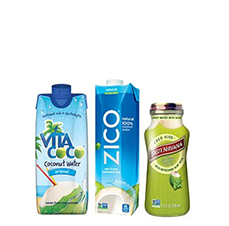
More and more consumers are opting for dairy-free, vegan, and plant-based alternatives. There are plant-based milk alternatives, such as almond, oat, and soy, and then there are plant-based waters, too, such as coconut and bamboo water. Renowned for their refreshing flavors and natural hydration properties, plant-based beverages are marketed as healthier alternatives to energy drinks and sodas and energy drinks. This is especially so in North America and Europe as more consumers are interested in boosting both health and performance.
Sparkling and Flavored Waters Gaining Ground
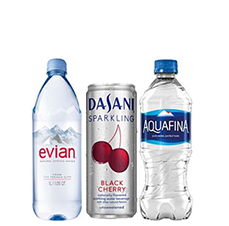
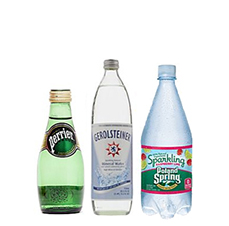
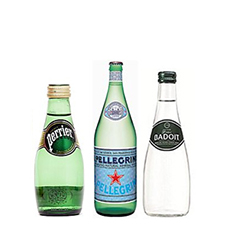
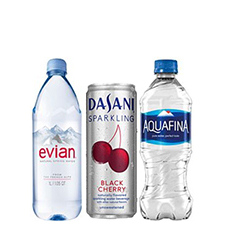
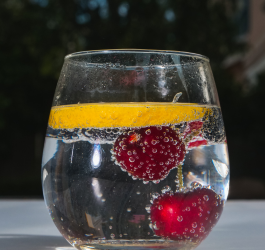
While sparkling water has been around for centuries, recent years have renewed its popularity for those who want a refreshing, zero-calorie alternative to traditional sugar-filled sodas. Leaders of this trend have long included Europe and North America, but Asia is hopping on board lately as well.
Sparkling water brands are beginning to adopt sustainable practices to reduce their environmental impact in response to an increased demand for eco-friendly packaging, such as aluminum cans and biodegradable bottles.
Functional Beverages to Promote Wellness
Health-conscious consumers are looking for more than just hydration and flavor—they are craving functional benefits that support their overall wellness. From adaptogen-infused teas to probiotic-rich kombucha, these wellness functional drinks are starting to reshape the global beverage market.
For example, traditional beverages in Asia, such as green tea and herbal tonics, are getting an overhaul with ingredients that boost immunity, reduce stress, and improve digestion. In the West, anti-inflammatory properties and mental health benefits take center stage with ingredients such as ginger, turmeric, and CBD.
A Shift Towards Low and No-Alcohol Beverages
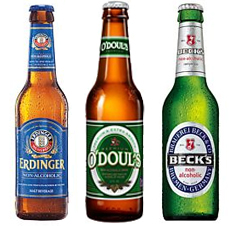
The recent trend of low- and no-alcohol beverages has been fueled by consumers – especially in the UK and Scandinavia -- who don’t want to experience the negative effects of alcohol yet who want the social experience associated with drinking. This is why you’ll see a surge in popularity of alcohol-free beer and wine, as well as mocktails and non-alcoholic spirits.
Cultural Fusion and Exotic Flavors for Diversity
Beverage makers are increasingly drawing inspiration from diverse cultures and cuisines around the world, combining traditional flavors with modern twists. This is evident in the popularity of bubble tea (boba) from Taiwan and Thai iced tea – beverages that create a multi-sensory drinking experience that blends bold flavors, textures, and vibrant colors.
Aguas frescas (fruit, herbs, and water) are pushing the boundaries of Latin America and making a splash in the United States and Europe. In Argentina and Brazil, yerba mate is seeing a resurgence, as is horchata from Mexico – both known for their energizing qualities.
Sustainability and Eco-Conscious Packaging
Growing environmental concerns have encouraged beverage brands to do more to reduce waste and embrace sustainable practices. With a focus on packaging, you will see more recyclable glass bottles, aluminum cans, and biodegradable plastics. In terms of sustainable sourcing, many coffee, tea, and cocoa producers have adopted fair trade and organic practices to ensure products are ethically sourced while lowering production’s environmental footprint.
As you can see, the global beverage scene is bursting with creativity and diversity to adjust to consumers’ evolving tastes, values, and health priorities.
Shop the Latest for all Your Drinking Needs at Beverage Universe
Contact us to place your order for anything from sparkling waters to tea to no-alcohol wine!