






We’ve all experienced that distinctive "fizz" that hits your lips and tongue when you crack open a cold beer, soda, seltzer, or sparkling water. But have you ever wondered what’s actually happening when you hear that familiar pop or feel the bubbles burst in your mouth? That is called carbonation, which basically involves dissolving carbon dioxide (CO₂) gas into a liquid.
If you’re curious about the science behind your favorite fizzy drinks, we’re here to explain it all.
Carbonation Defined
As alluded to above, carbonation is the dissolution of carbon dioxide gas into a liquid – a process that occurs under pressure. This pressure forces CO₂ to enter the liquid more efficiently than it would under normal conditions.
When you open a bottle or can of soda, beer, or champagne, you essentially release the pressure that has been bottled up inside. Then, the dissolved CO₂ escapes in the form of bubbles that rise to the surface. This is the fizzy sensation you feel when you take a sip.
But don’t assume that carbon dioxide only creates bubbles. It actually changes the taste experience of the beverage in question. CO₂ dissolved in liquid forms carbonic acid (H₂CO₃), a weak acid that produces the tell-tale sharp taste often associated with carbonated drinks, according to Food Manufacturing. It’s this mild acidity that also enhances the sweetness of the beverage as it balances out flavors and creates a more complex taste profile.
Let’s take this one step further: carbonation slightly numbs our taste buds, giving us that tingling sensation that makes it more refreshing and satisfying, especially on a hot summer day. This effervescence is a sensory cue that our brains interprets as invigorating.
A Look at the Fizzy Physics
Governed by the principles of physics, the behavior of carbonation follows a set of rules. While CO₂ gas is soluble in liquid, it only does so to a certain extent. When exposed to higher pressures, more CO₂ is dissolved into the liquid; when the pressure is released, the gas forms bubbles that rise to the surface.
Temperature and pressure will determine the size and number of these bubbles. Ever wonder why carbonated drinks are often served chilled? That’s because cooler temperatures allow more gas to dissolve into the liquid. On the other hand, if you leave a soda out at room temperature, it goes flat more quickly because the CO₂ is more likely to escape from the liquid.
How Carbonation Affects Different Beverages
Carbonation has a hand in anything from texture to taste to the overall experience of various drinks. Here are some examples:
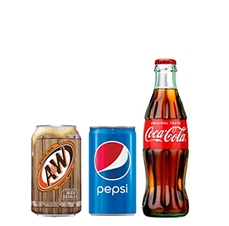
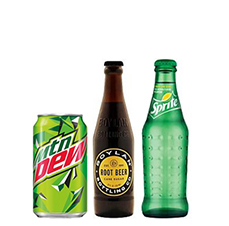
- Soda: The carbonation in soda enhances its sweetness and flavors to provide that perfect "crisp" sensation.
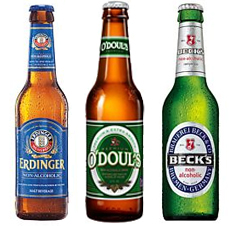
- Beer: Carbonation not only enhances aroma and mouthfeel, it affects the overall drinkability of the beer. Lighter brews have higher carbonation levels in general than darker brews.
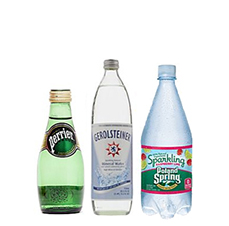
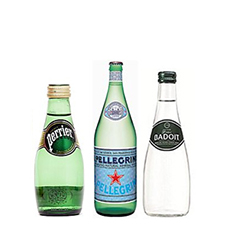
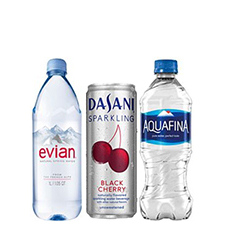
- Sparkling Water: Carbonated waters offer a refreshing effervescence that often makes the drink more enjoyable and hydrating than plain water.
- Champagne and Sparkling Wines: The bubbles in champagne and sparkling wines are a by-product of natural fermentation, resulting in that signature sparkle and effervescence.
Innovation and Carbonation
From micro-bubbles to more efficient carbonation systems, advances in carbonation technology continue to evolve that augment texture, mouthfeel, and experience. Even different types of gases, such as nitrogen, can be experimented with to create unique drinking experiences.
Home carbonation machines have also been gaining in popularity so people can carbonate their own water or beverages for a customizable experience.
In conclusion, carbonation is more than just a fizzy phenomenon—it’s a complicated web of chemistry, physics, and sensory perception.
Get All the Fizz at Beverage Universe
We have all the fizzy drinks you need to entice your palate. Contact us to place your order, and feel free to browse our offerings today.